
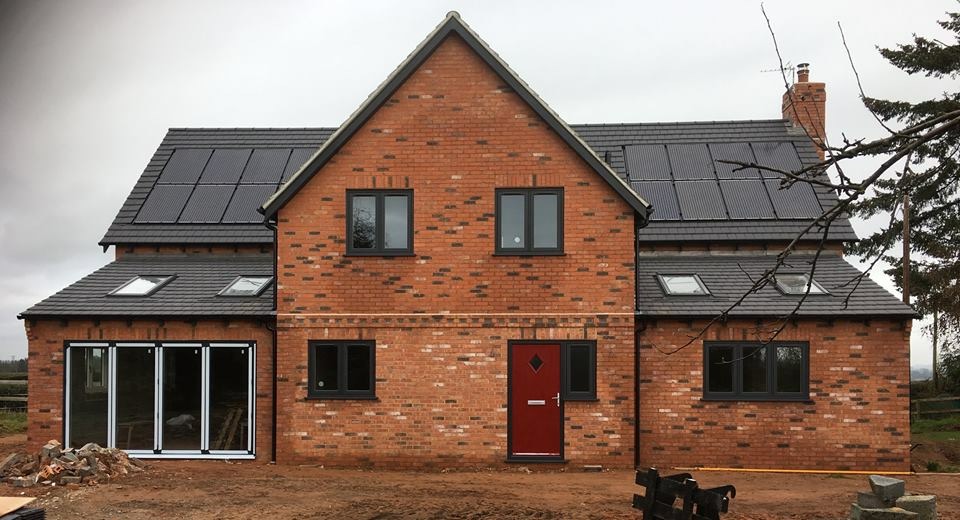
What Is The Lifespan Of A New Build House?
The lifespan of a new build house is a topic that concerns many prospective homeowners. Understanding how long a newly constructed property can last is crucial for making informed decisions about buying, investing, or maintaining a home. In the UK, where housing demands and construction standards are constantly evolving, this topic takes on added significance. This blog explores various factors that influence the lifespan of a new build house, including construction materials, design, maintenance, and environmental impacts.
Construction Materials and Techniques
One of the primary determinants of a house’s lifespan is the quality of the construction materials used. In the UK, new build houses are typically constructed using a variety of materials, each with its own durability and maintenance requirements.
Traditional Brick and Mortar
Traditional brick and mortar houses are renowned for their longevity. When built correctly, these houses can last for over a century. The bricks themselves are durable and resistant to weathering, while the mortar joints, if maintained properly, can ensure the structural integrity of the house for many decades.
Modern Materials
In contrast, many new build houses now incorporate modern materials such as concrete, steel, and prefabricated panels. These materials offer advantages like faster construction times and improved energy efficiency. Concrete, for example, is highly durable and can last for several decades, though it may require periodic repairs to prevent issues like cracking. Steel, used in framing and support structures, is resistant to pests and rot, contributing to a potentially longer lifespan.
Timber Frames
Timber-framed houses, which are also popular in the UK, have a varying lifespan depending on the quality of the wood and the level of maintenance. Properly treated and maintained timber can last for many decades, but it is more susceptible to pests and environmental damage compared to brick or concrete.
Design and Construction Standards
The design and construction standards adhered to during the building process play a crucial role in determining the longevity of a house. In the UK, the Building Regulations set the minimum standards for construction and ensure that new homes are safe, energy-efficient, and sustainable.
Structural Integrity
A well-designed house with a robust structural framework can withstand various stresses and environmental factors over time. Attention to detail in the design phase, such as proper load-bearing calculations and the use of quality materials, can significantly extend a house’s lifespan.
Insulation and Energy Efficiency
Modern new build houses are often designed with energy efficiency in mind. High-quality insulation, double or triple-glazed windows, and efficient heating systems not only reduce energy consumption but also contribute to the overall durability of the house. Proper insulation, for instance, helps maintain a stable internal environment, reducing the risk of damp and mould, which can cause structural damage over time.
Maintenance and Upkeep
Regular maintenance is essential for prolonging the life of any house, new builds included. Homeowners should be proactive in addressing minor issues before they become major problems.
Routine Inspections
Conducting routine inspections of the property can help identify potential issues early on. This includes checking for signs of wear and tear, inspecting the roof for damage, and ensuring that the plumbing and electrical systems are functioning correctly.
Repairs and Renovations
Timely repairs and renovations can prevent further damage and extend the lifespan of a house. Replacing a damaged roof, fixing cracks in the walls, and updating outdated systems are all necessary steps in maintaining the integrity of a new build house.
Environmental Factors
The environment in which a house is located also plays a significant role in its lifespan. Various environmental factors can affect the durability of a property, including weather conditions, soil quality, and exposure to natural elements.
Weather Conditions
In the UK, weather conditions can be quite variable, with some regions experiencing more extreme weather than others. Houses exposed to harsh weather conditions, such as heavy rainfall, strong winds, or flooding, may require more frequent maintenance and repairs to ensure their longevity.
Soil Quality
The quality of the soil on which a house is built is another important consideration. Poor soil conditions, such as clay or silt, can lead to foundation issues over time. Proper site assessment and preparation before construction can mitigate these risks and contribute to a longer lifespan for the house.
Natural Elements
Exposure to natural elements, such as proximity to the sea or heavily wooded areas, can also impact a house’s durability. Saltwater, for instance, can cause corrosion in metal components, while trees and vegetation can affect the foundation and drainage systems. Adequate planning and protective measures during construction can help mitigate these effects.
Modern Innovations and Their Impact
Advancements in technology and construction techniques are continually improving the durability and lifespan of new build houses. Innovations such as smart home systems, advanced building materials, and sustainable construction practices contribute to longer-lasting homes.
Smart Home Systems
Smart home systems can enhance the maintenance and efficiency of a property. These systems allow homeowners to monitor and control various aspects of their home, such as heating, lighting, and security, from a centralised platform. By optimising energy use and providing early warnings for potential issues, smart home systems can help extend the lifespan of a new build house.
Advanced Building Materials
The development of advanced building materials, such as self-healing concrete and high-performance insulation, is also contributing to the increased durability of modern houses. Self-healing concrete, for example, can automatically repair small cracks, reducing the need for frequent maintenance and extending the life of the structure.
Sustainable Construction Practices
Sustainable construction practices, such as the use of renewable energy sources and eco-friendly materials, not only benefit the environment but also contribute to the longevity of a house. Homes built with sustainability in mind often have better insulation, more efficient systems, and higher-quality materials, all of which can lead to a longer lifespan.
Contact An Expert
The lifespan of a new-build house in the UK is influenced by a multitude of factors, including the quality of construction materials, design and construction standards, regular maintenance, and environmental conditions. Traditional brick and mortar houses can last over a century, while modern materials and techniques offer their own advantages in terms of durability and efficiency. Regular maintenance and timely repairs are essential for ensuring the longevity of any property. Additionally, advancements in technology and sustainable construction practices are continually enhancing the durability and lifespan of new build houses. By understanding and addressing these factors, homeowners can ensure that their new build house remains a safe and comfortable home for many years to come. Contact the experts at Country Construction for more information.


0 comments
Write a comment